
2026 Nota Bene Prize Finalists
Championing influential fiction celebrated by Notable Readers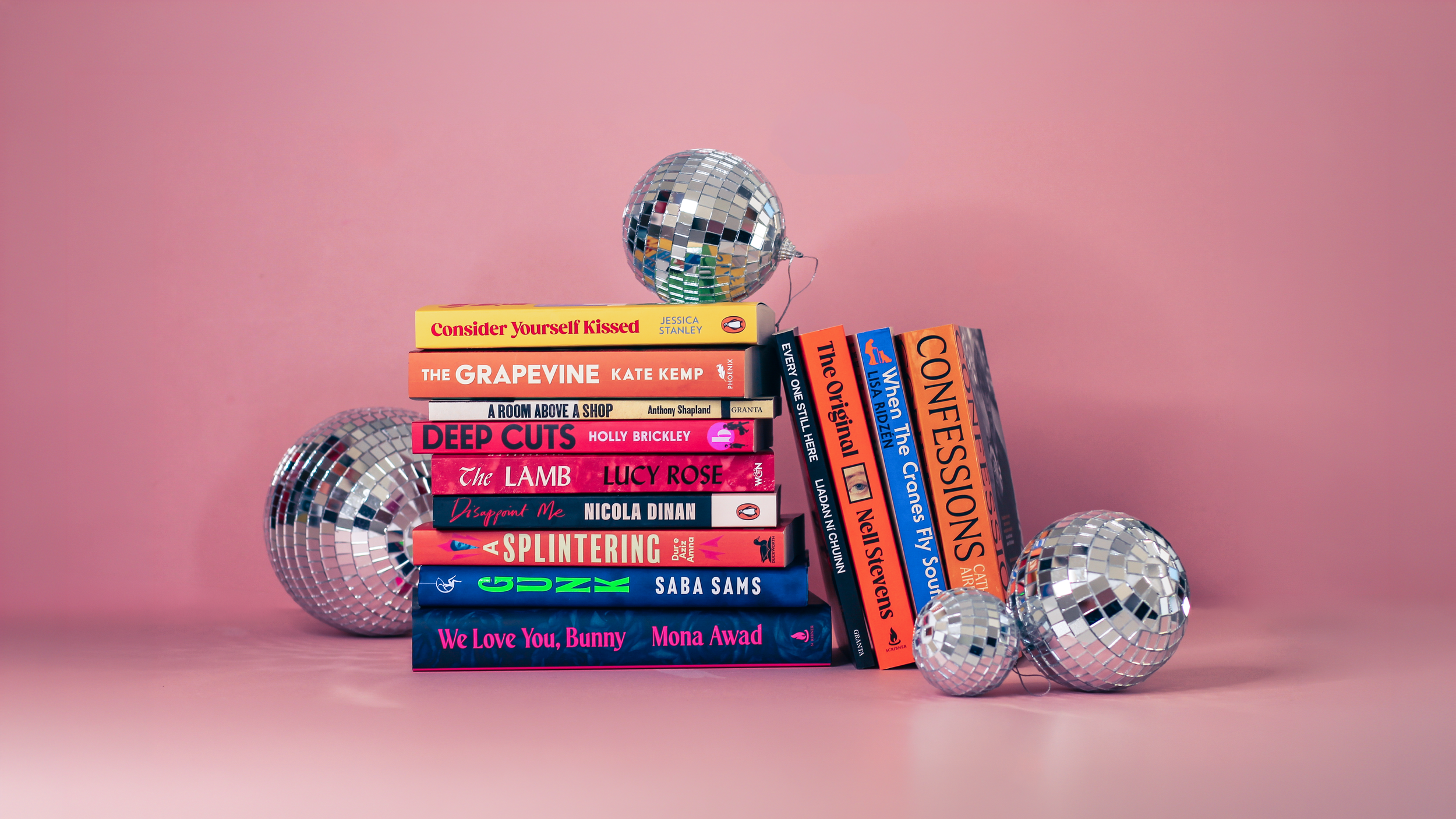
The Nota Bene Prize 2026 finalists are here, and this year, it’s all in the hands of readers!
The Nota Bene Prize celebrates the kind of books that don’t just get read, they get recommended, passed around, underlined, and talked about long after the final page. It’s a prize built on word of mouth, shaped by reader enthusiasm rather than critvoteical consensus.
And now, we need your help. From this year’s 13 finalists, readers will vote to decide the winner of the Nota Bene Prize 2026.
This year’s list is bold, surprising, and impossible to pin down. From intimate, character-driven stories to unsettling, genre-bending fiction, these are books that spark conversation and stay with you.
So — where to start?
Let’s dive into the titles…
From intimate, quietly observed lives to bold, unsettling and darkly funny worlds, the Nota Bene Prize 2026 finalists showcase the very best of contemporary literary fiction. Spanning unforgettable debut novels and distinctive new voices, this year’s list is a celebration of books that readers return to, recommend, and can’t stop thinking about.
The Nota Bene Prize is built around the idea that great books travel by word of mouth. It is a book prize shaped by readers, not judges, and this year’s winner will be decided entirely by public vote.
Anthony Shapland’s A Room Above a Shop opens the list with a tender and poignant love story set in the Welsh Valleys during the late 1980s, where two men form a quiet, risky relationship above the ironmongery shop where they work. Against the backdrop of Section 28 and the HIV and AIDS crisis, it is a deeply resonant portrait of intimacy, secrecy and survival.
Also shaped by questions of place and pressure, A Splintering by Dur e Aziz Amna moves between province and metropolis, tracing the life of a woman caught between motherhood and ambition amid political violence and environmental instability, in a novel that is both disquieting and gripping.
Themes of family, inheritance and the pull of the past continue in Catherine Airey’s Confessions, which begins in the aftermath of 9/11 as Cora Brady, newly orphaned, is drawn back to Ireland. There, across generations of women, long-buried stories begin to surface in a novel rich with mystery, love and reckoning.
Jessica Stanley’s Consider Yourself Kissed shifts into the rhythms of contemporary life, following a decade-long relationship shaped by love, domesticity and the wider backdrop of British politics. As Coralie builds the life she thought she wanted, the novel asks what it means to hold onto a sense of self within it.
Creative ambition and emotional entanglement take centre stage in Holly Brickley’s Deep Cuts, where a fierce musical collaboration between two students evolves into something more complicated, charged with jealousy, longing and the uneasy dynamics of recognition and authorship.
Questions of identity and connection are further explored in Nicola Dinan’s Disappoint Me, as Max navigates a new relationship that seems full of promise, even as the unresolved past threatens to resurface, complicating ideas of intimacy, selfhood and what it means to truly change.
A shift in form comes with Liadan Ní Chuinn’s Every One Still Here, a striking debut collection of short stories that move between the personal and the political, capturing moments of tenderness, strangeness and intensity with precision and care.
Saba Sams’ Gunk returns us to the novel with a raw and immersive story set in a Brighton nightclub, where the arrival of a young bartender disrupts the fragile equilibrium between Jules and her ex-husband, unfolding into a complex exploration of desire, dependency and unconventional forms of family.
Community and its undercurrents come sharply into focus in Kate Kemp’s The Grapevine, set in suburban Australia in 1979, where a shocking murder ripples through a neighbourhood and exposes the secrets, suspicions and quiet tensions that lie beneath its surface.
Lucy Rose’s The Lamb deepens the sense of unease with a haunting and visceral coming-of-age story, in which a young girl raised in isolation must confront the disturbing realities of her mother’s desires and begin to imagine a life beyond them.
Questions of identity take a different turn in Nell Stevens’ The Original, set in 1899, where the return of a long-lost cousin disrupts a household and raises unsettling doubts about authenticity, artistry and truth.
Mona Awad’s We Love You, Bunny brings a darkly playful and surreal energy, as a successful writer is confronted by former friends who take control of her narrative, spiralling into a sharp and unsettling exploration of creativity, rivalry and belonging.
Finally, Lisa Ridzén’s When the Cranes Fly South closes the list with a quietly powerful story of an elderly man in rural Sweden, whose determination to hold onto his dog becomes a moving reflection on autonomy, memory and the relationships that shape a life.
Together, these 13 finalist books form a must-read 2026 reading list, celebrating bold storytelling, original voices and the enduring power of fiction.
Vote for Your Favourite Book
Now it’s over to you. Which of these books stayed with you? Which would you recommend without hesitation? Which deserves to win the Nota Bene Prize 2026?