
Review: Confessions by Catherine Airey
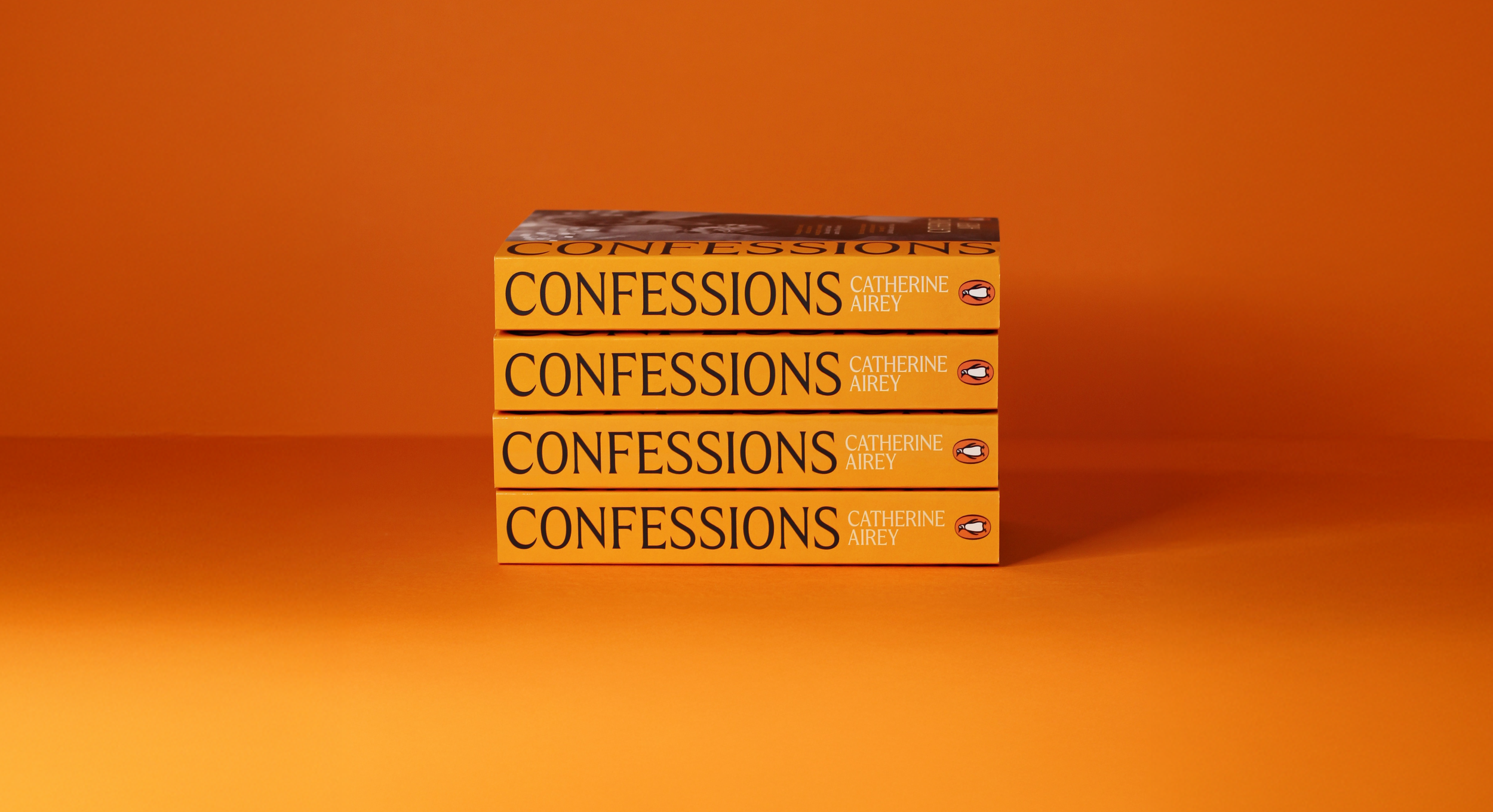
Shortlisted for the 2026 Nota Bene Prize, Confessions begins in late September in 2001 and the walls of New York are papered over with photos of the missing. Cora Brady’s father is there, the poster she made taped to columns and bridges. Her mother died long ago and now, orphaned on the cusp of adulthood, Cora is adrift and alone.
Soon, a letter will arrive with the offer of a new life: far out on the ragged edge of Ireland, in the town where her parents were young, an estranged aunt can provide a home and fulfil a long-forgotten promise. There the story of Cora's family is hidden, and in her presence will begin to unspool…
An essential, immersive debut from an astonishing new voice, Confessions traces the arc of three generations of women as they experience in their own time the irresistible gravity of the past: its love and tragedy, its mystery and redemption, and, in all things intended and accidental, the beauty and terrible shade of the things we do.
REVIEWED BY EMILY GOULDING
Catherine Airey’s Confessions follows three generations of women, moving from Ireland to New York, and it was a book that I simply didn’t want to end. It opens with Cora Brady, stranded in New York in September 2001, after she loses her father to 9/11. When she receives a letter from her estranged aunt in rural Ireland, inviting her to come and stay, her family history begins to unspool, revealing generations of unspoken history and secrets.
It’s hard to believe that this is Airey’s debut novel. Compelling and complex, her writing is assured, exploring the idea of family history and the ways in which it can haunt you. Particularly striking is her depiction of the intricacies within female relationships, with emphasis on motherhood and sisterhood exacerbated by jumps in time within the novel, something which gives the impression of time-travelling through years of stories and secrets.
Confessions is ever shifting in narrative, from Cora’s perspective to her aunt Roisin, to her mother, Maire, and finally to Cora’s own daughter, Lyca. I always have a soft spot for intergenerational stories, and this is a book that has mastered the art of passing down tales and warnings. Airey writes especially well on the ways in which history is doomed to repeat itself, with elements of the novel filled with a real unease. Interspersed with prose are extracts from Scream School, a video game created based on Burtonport House, occupied by primal therapy group the Screamers, and this haunted house-esque strand gives an almost fairy tale sense, again harking back to the idea of a predestined fate.
Confessions is the book that I’ve been recommending to family and friends since I first read it, and Airey’s work is something that I can’t wait to read more of; it’s truly spellbinding.